domingo, 25 de julio de 2010

PRIMOS, en español

Lo cierto es que a veces los hermanos se parecen y a veces no tanto. Cuando Lucas (de Plants+, Papersky, Mammoth)  nos propuso hacer tres muñecos para su proyecto de intercambio de semillas, nos dijo: ‘Necesitamos muñecos que sirvan como contenedores de las semillas. Y queremos que se parezcan entre sí, que sean como hermanos.’ Después de varios bocetos, terminamos con tres ideas de prototipos: uno de bambú y paja, uno de madera y otro de tela rellena con arroz. ‘El tema’ dijimos, ‘es que no se parecen mucho entre sí, aunque obviamente parecen familiares… A lo mejor son más como primos.’


Kome Primo y su cabeza magnética
Kome Primo with magnetic head

A Lucas le gustó como sonaba la palabra primo en castellano y decidió usarla pegada a sus nombres propios: Take (bambú) primo, Hinoki (un tipo de ciprés autóctono) primo y Kome (arroz) primo. Durante esa reunión también nos sugirió algunas mejoras que quedaron muy bien: cabeza magnética para Kome primo y kits de primeros auxilios por si algo tuviera que ser enmendado.

Take Primo y su bolsa de semillas
Take Primo with seed pouch inside

Los primos de Plants+  empezaron sus viajes por Japón. Van a estar viajando durante seis o siete meses, y además de llevar semillas también van a llevar los deseos de la gente que participe en el intercambio. Existen muchos paralelismos entre las semillas y los deseos. Lucas sabe que esto es así, y también puso escondido su deseo al generar este proyecto: ‘Me gustaría poder generar una discusión en la que el tema central sean las plantas’ nos dijo una vez.


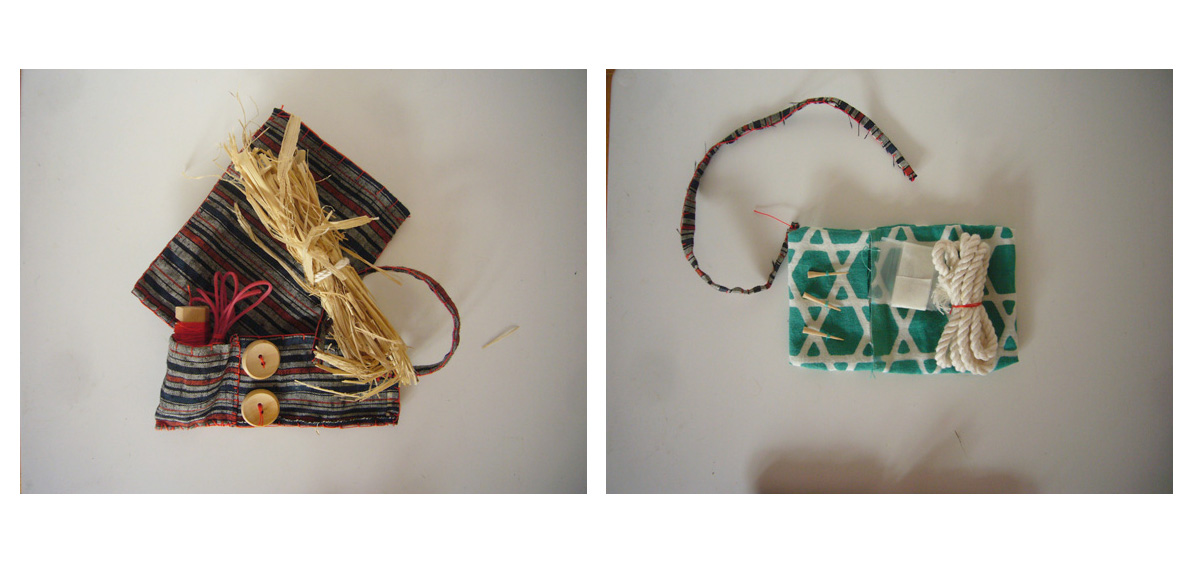
Kits de primeros auxilios · First Aid pouches

Contenidos del kit de Kome Primo y de Hinoki Primo
Contents of Kome Primo pouch and Hinoki Primo pouch

PRIMOS means cousins.

At first, when Lucas asked us to make three character-like dolls to use as containers for the seed exchange by Plants+, he mentioned he wanted them to be like brothers. Some sketches later, we came up with three prototypes, one made out of bamboo, one using hinoki (Japanese cypress) and one with cotton fabric stuffed with rice.

Kome Primo sketch · Boceto de Kome Primo


Hinoki Primo
‘They don’t look much like brothers’ –we said – ‘although there is some connection going on between them… Maybe they are more like cousins.’ Lucas liked how the word primo sounded in Spanish and decided to keep them this way. We then worked on the final models, adding some cool features Lucas suggested like magnetized head for Kome (fabric and rice) primo and also ‘first aid’ pouches if repair should be needed during their journeys.

Los Primos
Hinoki Primo
Seed pouch · Bolsa para semillas

Plants+ Primos have started their travels around Japan. Along with the seeds, they will carry the wishes of those that participate in the exchange. There are, clearly, many parallels implied between seeds and wishes. Lucas is well aware of this. And he has sent his wish along with the Primos as well: ‘I wish I can start a conversation that revolves around plants.’ He’s doing this through Plants+.

Primos en Roosevelt Island, NYC

miércoles, 21 de julio de 2010

Green gazpacho - Gazpacho verde


Last Christmas Hiroshi from Utrecht asked us something we would do for Christmas. We sent him this recipe we had tried a couple of days before. Please let us know if you try it, ¡Bon appétit!

Green gazpacho or spring gazpacho

Gazpacho is a cold spanish soup to be drank in summer, it's very refreshing and has a wonderful, strong and complex flavour, since it can be done with almost anything. Altough the gazpacho base is garlic, bread crumb softened in water, vinegar, cold water, olive oil and the vegetables you choose, the most traditional and well known are the tomato gazpacho and the almond gazpacho (or "ajoblanco" - literally, "white garlic").

We usually have the tomato one, but since we don't have ripe tomatos just yet (maybe next week!) we tried a new one, and we called it "green gazpacho".


Don't be afraid to drink your vegetables!


For making 1 liter we used:

1 cucumber

1 small green tomato
1 zuccini

1 small green squash (we use this ones)

2 garlic cloves
2 basil branches

around 200 grs of softened bread crumb
around 200 ml of olive oil

vinegar
cold water (just around 100 ml, since these are really watery vegetables)

salt

pepper

It's very easy to make: Just roughly cut all your vegetables, the garlic, the bread crumbs and the basil (with the hand or it oxidizes!) and put them in a big pot. Then process the whole with the blender. Once it's a paste add the cold water, salt, pepper, vinegar (we didn't use much, but that depends on your taste and on how good wine vinegar you can get) and keep blending.
Once it looks more like a juice, start adding the olive oil while the blender is still on, so it makes an emulsion. It should turn a lighter green, and look softer.
Once you have it, put it on the fridge and eat it cool.


You can add garnishes on top of your gazpacho, like small pieces of toasted bread, ham, fresh basil or mint.
What we added to this one was shizo, finely cut, just before eating it. It was wonderful.


---

La navidad pasada, Hiroshi de Utrecht nos pidió alguna receta que fueramos a hacer en navidad.
Le dimos esta receta que habíamos probado unos días antes, todavía no la habíamos colgado al blog, así que acá va.
Si la prueban cuentennos como queda o qué le ponen,
¡Buen provecho!


Gazpacho verde, o gazpacho de primavera.

Esta receta es muy buena para cuando todavía no es temporada de tomates, pero ya hace calor y se anda con ganas de un gazpacho frío. Lo genial del gazpacho es que a su base de miga de pan remojada, vinagre, aceite de oliva y agua, se le puede sumar casi cualquier hortaliza cruda. Y la sensación de beber verduras es genial, no hay que tenerle miedo.


Para aproximadamente 1 litro de gazpacho:

1 pepino
1 tomate verde (chiquito, duro y sabroso, esos que no llegan a madurar del todo en la planta son perfectos)
1 zapallito
1 zuccini chico
2 dientes de ajo
2 ramas de albahaca
alrededor de 200 grs. de miga de pan previamente remojada en agua
alrededor de 200 ml. de aceite de oliva (mientras mejor, mejor)
vinagre (mientras mejor, mejor)
100 ml agua fría
sal
pimienta negra


Cortar todas las verduras y el ajo en trozos grandes, poner en un olla junto con la miga de pan y la albahaca.
Mezclar con una batidora de mano en la olla o de a tandas en una batidora de jarra. Cuando se forme una pasta, agregar el agua fría, la sal, la pimienta, vinagre a gusto y seguir batiendo. Cuando todo esté integrado y el resultado sea bien líquido continuar batiendo mientras se agrega el aceite de oliva de a poco y de forma continua, logrando una leve emulsión. El color comenzará a cambiar a un verde más claro y la textura se hará suave y un poco brillante, cuando toda la preparación se vea igual, ya está lista. Llevar a la heladera para que enfríe.

De guarnición antes de servir se pueden agregar pedacitos de pan tostado, tiritas de jamón crudo, albahaca fresca o menta.

Las cajas de Mie - Mie's boxes


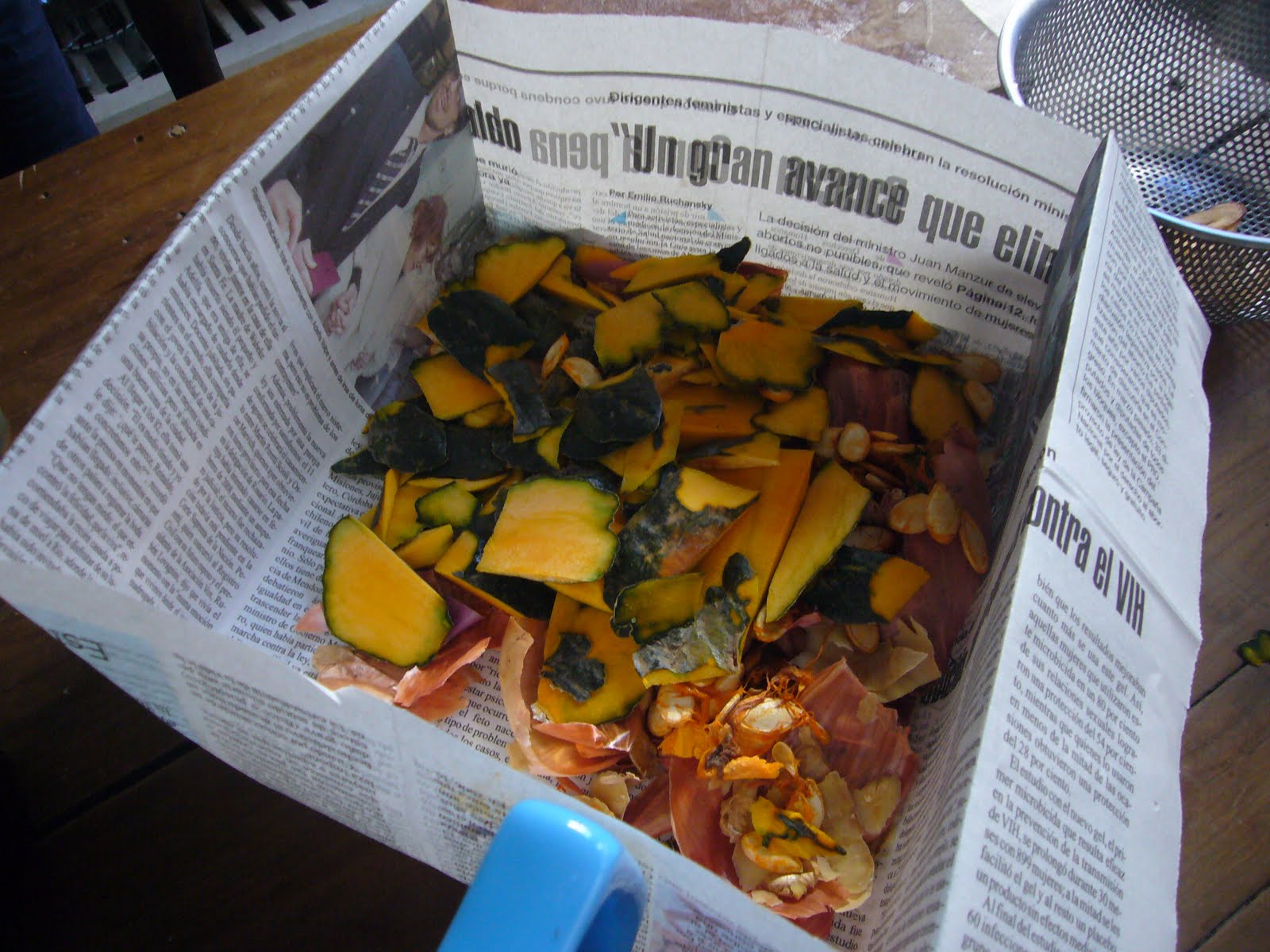
Mie told us she learned how to do this paper boxes from old people, it's 'oba-chan stuff' (grandma stuff) according to her. Like so many oba-chan things it's perfection: easy and fun to make, they use all those sheets of paper that come on the mail or the newspaper and can take all the cooking garbage straight to the compost. Also, very relaxing to do, and kids (at least one kuri-chan we know) love to do it.

Mie nos enseñó a hacer estas cajas de papel, ella las aprendió de los viejitos, 'son cosas de viejitos' nos decía. Como tantas cosas de viejitos, estas cajas son perfectas: divertidas y fáciles de hacer, usan esas hojas de papel que vienen en el diario o que nos tiran por abajo de la puerta, arreglan en tema de que hacer con la basura de la cocina y pueden ir derecho al compost. Además, cualquiera puede hacerlas, a los chicos les encantan y como cualquier actividad de doblar papel, es terapéutica.

lunes, 19 de julio de 2010

Salut

Hola!
Lamentamos la pobre actualización de este blog. En Japón estuvimos demasiado ocupados y consecuentemente cansados como para actualizar diariamente. Finalmente decidimos callarnos hasta llegar a Buenos Aires. Y acá estamos. Así que durante las próximas semanas, habrá varios posts. ¡Tenemos mucho que contar!


Hello!

Sorry for the lame upkeeping of this blog. We've been very busy and too tired to blog about our daily activities. We ended up deciding to update once we got back to Buenos Aires. And here we are. So expect regular updates for the next couple of weeks, we have a lot to mention!

miércoles, 7 de julio de 2010

Taller de poesía

TALLER DE POESIA

De ediciones, fanzines, escritura, versos, cantitos
o de cómo a veces las cosas que se dicen de verdad dicen lo que dicen

A partir de mediados de julio con Mercedes Villalba en COBRA,
Aranguren 150, Caballito — Miércoles de 6 a 9 de la tarde.

+info

jueves, 3 de junio de 2010

Cantero / Titicaca


CANTERO n3 launch at NOW IDeA
Friday 11th of June, from 4 PM to 9 PM.

Vacateen Titicaca Pic-Nic
Yoyo + Mejunje
Saturday 12th of June, from 12 AM to 10 PM at VACANT

Come enjoy!

jueves, 20 de mayo de 2010

Mañana · Tomorrow · Ashita


Inagura Ola en Tokyo –
sábado 22/5 de 15 a 19 en waitingroom

Is the opening of Ola in Tokyo –
22/5 (sat) from 3 to 7 pm at waitingroom

私たちの展覧会は明日から。ぜひお立ち寄りください。

more info and pictures

lunes, 3 de mayo de 2010

La secuela invernadero, parte 2 · The greenhouse sequel – Pt.2

Fue duro levantarse a la mañana (con resaca de vino barato) y ver el día gris, lluvioso y con el invernadero partido. ¿Qué hacer? Llevamos los pedazos para adentro y nos dimos cuenta que la esterilla sola se podía mantener de pie. A lo mejor podíamos usar la esterilla misma como estructura y cubrirla con un techo translúcido de plástico. Volvió el optimismo, y de pronto el potencial del nuevo invernadero era muchísimo! Era fácil de armar y desarmar, o sea portátil, barato y fácil de construir y ademas no dependía de una forma fija, podía variar de dimensiones según la necesidad que uno tuviera. Era brillante, creíamos. Entusiasmados, fuimos a comprar una esterilla más larga para poder abarcar más superficie.

It was hard waking in the morning (with cheap white wine hangover) to a grey rainy sky and oour broken greenhouse in the front yard. What to do next? Taking all the pieces inside we realized that the mat by itself could stand by itself. Maybe this alone could provide the structure, and all that needed to happen was to cover it with a plastic sheet. Suddenly we were very excited about the potential for this new greenhouse. It was easy to assemble, cheap and portable. Plus, it didn't need to have a fixed shape, it could take any shape we wanted, according to our needs. It was brilliant, we thought. Filled with optimism, we went to buy a longer mat to cover a bigger area…


Ah, la codicia! Al ser tan largo, ahora la estructura perdía estabilidad. Se podían hacer dos cosas: reducir la altura y atar la esterilla a pesos hechos con botellas con agua y cartones de leche usados como macetas. De esta manera se volvía a estabilizar, pero perdía un poco de flexibilidad a la hora de cambiar de forma…Decidimos seguir adelante.

Oh, the greed! By being so long, the new mat was very unstable. We could only think of two possible solutions: either lower the height to make it stable again, or use planters and plastic bottles filled with water as weights that attached to the structure could help to keep it standing. We opted for this simpler solution, although the versatility of the shape was deeply reduced.


Hacia la noche, habíamos resuelto el tema de la estabilidad y decimos usar como techo provisorio el plástico que se usa acá para cubrir el piso antes de pintar. Tiene la consistencia de una bolsa de plástico – es liviano – y le agregamos unos pesos para que estuviera más tensa la superficie.

By night, we had solved the stability issue and we put the roof using the plastic sheets commonly used here to cover the floor when painting. The plastic is very thin – thinned than most plastic bags – so we had to add small weights to keep tension throughout the surface area.


Mientras tanto los mini-invernaderos con los ladrillos de musgo van lo más contentos.

In the meantime, our mini-greenhouses with their mossbricks looked happy as ever.


A la mañana siguiente pusimos las plantas. Taichi, Mie y Koyomi se habían ido el día anterior a un casamiento y habían pasado la noche en Tokyo. Iba a ser una sorpresa para ellos. Pero cuando llegaron reino el silencio…ni una palabra sobre el pobre invernadero 2. Nos hace acordar a un florero de Alvar Aalto adolescente: grande, torpe y medio feo. Mie y Koyo trajeron unas flores de azalea para embellercerlo un poco al pobre.

The next morning, we moved the plants in. Taichi, Mie and Koyomi had spent overnight at Tokyo because of a wedding party. This was to be a surprise for them. But when they came in, there was only silence… not one word about poor greenhouse, part 2. It remainded us of a pubescent Alvar Aalto vase: ugly, out of scale and awkward. Mie and Koyo brought some azalea flowers to make it a little nicer.


Ese día hubo un taller en Habitable a cargo de Kao Hanada, la mitad del dúo Mumbreeze. Fue un exito y vino mucha gente. Algunos empezaron a tomar el espacio del living para hacer sus muñecos de papel maché y en un momento el pobre invernadero perdió el equilibrio. Al final, molestaba y hubo que sacarlo del medio.

That same day a workshop was held in the afternoon by Kao Hanada, half part of duo Mumbreeze. It was very successful and a lot of people showed up. Some of them had to take part of the living room space to create their paper maché projects. At some point the greenhouse lost it's balance and fell, wetting the floor. It just was in everyone's way and we had to take it out.


¡Gracias a Kao y toda la gente que vino a participar en el taller!

Thanks Kao and everyone who participated in the workshop!

Y con respecto al invernadero 2, seguimos pensando que tiene mucho potencial…Quizás algún día logremos hacerlo funcionar bien. Pero para nosotros, fue hora de pasar al VIVERO PARTE 3.

As for greenhouse, part 2, we still believe it has much potential. But seems this is not the place or time to fully develop it. Some other time, perhaps. It was time to move on to GREENHOSE PART 3.

La secuela invernadero · The greenhouse sequel

Los chicos que nos estan alojando en la residencia querían que hicieramos algo emblemático y con presencia en el centro del living, porque mucho del concepto del proyecto de Habitable tiene que ver con el espacio privado (la casa) transformado en espacio público. Casi por reflejo, decidimos armar un invernadero: las plantas que juntáramos en la montaña podían aclimatarse bien y además la gente que visitara podía mirarlas, etc. A los pocos días empezamos con el primer invernadero…

Our hosts at Habitable wanted us to make something emblematic in the middle of their living room, since much of their concept for the project revolves around the living room space – which is usually private – becoming public space. Quite by default, we began thinking about making a small greenhouse: the plants we collected form the mountain could re-adapt there, and the people that came to visit could look at them, etc. A couple of days after our arrival we began working on it, with aid from our little helper.


La estructura era sencilla y ‘minimal’. Agregamos un cajón flotante con las primeras plantas y cosas que juntamos de la playa. Y asi fue como la presentamos en el agasajo de bienvenida el 24 de abril. Pero todavía había que cerrar la estructura para generar el efecto invernadero. Esta vez quisimos tratar de usar la menor cantidad posible de plástico y probamos usando esterilla muy barata made in china…

The structure was quite minimal. We added a floating shelf to display the first plants and things we collected from the beach. The pictures above show how the structure looked like on the welcome party reception on april 24th. Still, we needed to close the structure to generate the greenhouse effect. But, because we wanted to use the least amount of plastic possible, we decided to try using straw mat made in china…


Usando eso y solamente plástico en los lados, pensábamos que la humedad se mantendría aunque no estábamos seguros que pasaría con la cantidad de luz que dejara pasar la esterilla. Pero la cosa era prometedora. Lo dejamos afuera (llovía) y fuimos a comer a lo de Hiroshi con Yoyo y Yuko. Vimos unos libros para chicos hermosos de la colección de Hiroshi:

Using the mat and plastic only on the sides, we figured that moisture would be kept, although we weren't sure about what would happen with the amount of light that would be able to go through the mat. But things looked promising. We left the structure outside (it was raining) and went for dinner at Hiroshi and Yuko's along with Yoyo. We saw some really amazing books from Hiroshi's collection.


Pero a la mañana siguiente…

But the next morning…


El problema fueron las juntas, que estaban hechas de madera encolada con varilla:

Part of the problem had to do with the joints, that were glued with a dowel through them:


La humedad de la lluvía (llovió todo el dia sin parar) aflojó la cola. Eso sumado al peso de la esterilla mojada, venció al minimalísimo. Fin de parte 1.

The rain loosened the glue (it rained heavily all day). Also, the wet mat was at least three times heavier than when dry. Minimalism was broken for good. End of part 1.